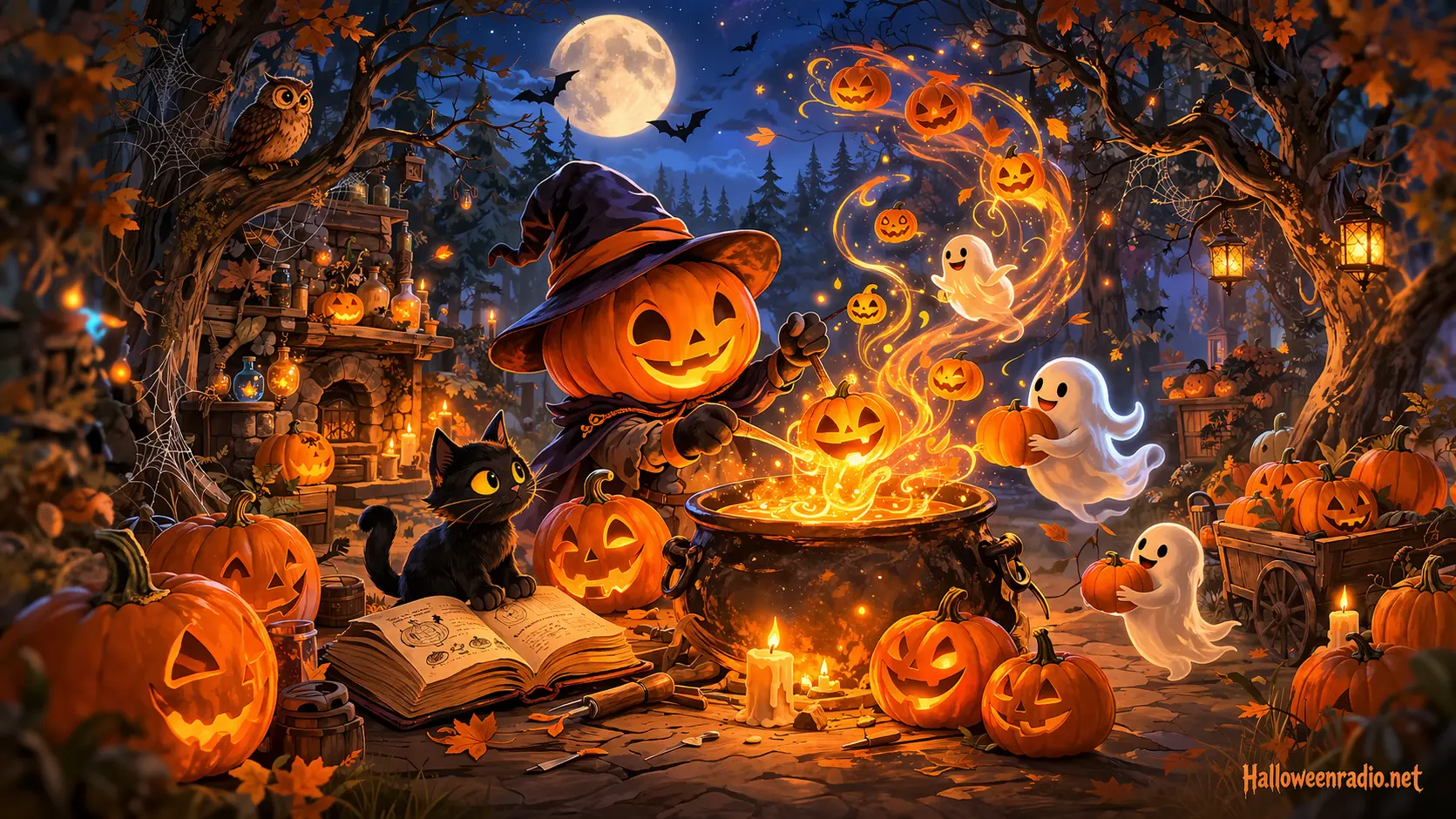
The origins of Jack-o'-lanterns
When we think of HALLOWEEN, the image of a glowing Jack-o'-lantern often comes to mind. But where did this tradition originate? The story begins in Ireland, where people carved turnips and placed a candle inside to ward off evil spirits. This practice was linked to the ancient Celtic festival of Samhain, a time when the boundary between the living and the dead was believed to be blurred. The carved turnips were used to represent spirits and were set out to guide the souls of the departed.
The journey to America
Irish immigrants brought this tradition to America in the 19th century, but they quickly discovered that pumpkins, native to North America, were much easier to carve than turnips. As a result, the pumpkin became the preferred choice for Jack-o'-lanterns. This transition not only made the carving process simpler but also contributed to the festive and playful spirit of HALLOWEEN celebrations in the United States.
The symbolism of Jack-o'-lanterns
Today, Jack-o'-lanterns symbolize more than just a fun decoration for HALLOWEEN. They serve as reminders of the ancient beliefs surrounding the festival, representing protection against malevolent forces. The glowing light within the carved pumpkins is thought to illuminate the way for lost souls, connecting us to the rich tapestry of history and folklore surrounding this beloved holiday. As you prepare for HALLOWEEN this year, consider the deeper meaning behind your Jack-o'-lantern and how it connects to centuries of tradition.
Whether you're carving your own pumpkin or simply enjoying the festive decor, embrace the spirit of this cherished HALLOWEEN custom. Happy reading!